October 16, 2026
Court Shoes: What to Look For in a Pickleball Shoe (55+ Player’s Guide)
Court Shoes: What to Look For in a Pickleball Shoe (55+ Player’s Guide)

A good pickleball shoe is easy to forget about, in the best way. It stays comfortable while you move, feels steady when you shuffle, and grips the court when you stop. The wrong pair can feel fine standing in the kitchen, then suddenly seem less convincing during a quick move toward the kitchen line.
For players 55 and up, choosing footwear is not about buying the most expensive shoe or chasing a younger player’s speed. It’s about finding a pair that fits your feet, suits your court, and feels supportive through the movements you actually make. Here’s a practical checklist for your next shoe search.
As an Amazon Associate we earn from qualifying purchases.
Start with a court shoe, not a running shoe
Pickleball asks you to move side to side, pivot, and stop as well as move forward. Running shoes are generally built for forward motion, while court shoes are designed with the quick changes of direction common in paddle sports in mind. A review of pickleball injuries among aging athletes also identifies proper footwear and multidirectional support as important equipment considerations. That doesn’t mean shoes can prevent every slip or injury; it does mean they deserve a place on your gear checklist.
Look for footwear labeled for pickleball, tennis, or another court sport. Then check that it’s appropriate for the surface where you play. If you’d like a deeper look at court-shoe construction, Pickleball Warehouse’s shoe guide explains the main parts, including the upper, heel counter, midsole, and outsole.
Fit: secure, comfortable, and roomy where it counts
Feet can change over time, and sizing can vary between brands and models. A label that says your usual size is a helpful starting point, not a guarantee. Try shoes on with the socks you wear to play, ideally later in the day when your feet may be a little larger than first thing in the morning.
Use this quick fit check:
- Give your toes room. Your longest toe should not press against the front, and your toes should be able to spread comfortably.
- Check the heel. It should feel held in place rather than lifting or sliding as you walk.
- Look for a secure middle. The shoe should hold your foot without squeezing or creating uncomfortable pressure.
- Try both shoes. If one foot is larger, fit that foot first.
- Bring your usual insoles or orthotics. They can affect the fit and feel.
If you shop in person, walk around and make a few gentle side steps. If the shoes feel tight, pinch, rub, or let your foot slide inside, try a different size or shape. Don’t assume that discomfort will disappear once you’re on court. Comfort and fit are personal, so use the product’s sizing guidance and return policy when shopping online.
Lateral support: look for a steady feel
On court, a shoe should feel like it’s helping keep your foot centered when you shuffle, not letting it spill over the edge. Look for a structured upper that holds the foot, a heel area that feels secure, and a sole that doesn’t feel wobbly under you. Laces should let you adjust the fit comfortably.
A simple test: stand, walk, then make a few controlled side steps. Does your heel stay put? Does the shoe feel stable as you shift direction? If you feel the upper folding or your foot sliding sideways, consider a different pair.
“Supportive” doesn’t mean stiff or uncomfortable. A shoe can have a steady feel and still be pleasant to wear. If you use orthotics or have a foot concern, try the shoe with your usual insert and consider asking a qualified professional for individualized advice.
Traction: match the shoe to the court
The same outsole may not feel the same on every surface. Many players use hard outdoor courts, while some community centers and gyms have smoother indoor floors. Court-shoe guides generally recommend matching the outsole to the playing surface: indoor-specific rubber may wear faster outdoors, while outdoor-focused soles may feel different on a smooth gym floor.
Ask what surface you’ll be playing on most often, and check the shoe’s product information. Keep the outsole clean, too. Dust, grit, or moisture can affect grip regardless of the shoe. And remember: no shoe can make a wet or damaged court safe. If the surface looks slick, pause and check with the facility before playing.
Six pairs to add to your try-on list
These are examples from the iDINKiCAN Players Shop, not a ranked list or a guarantee that one pair will suit every foot. Compare current sizes, details, surface recommendations, and return options before choosing. The best pair is the one that fits you and feels right on your court.
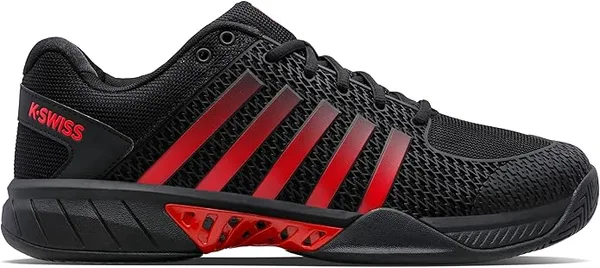
K-Swiss Men's Express Light Pickleball Shoe
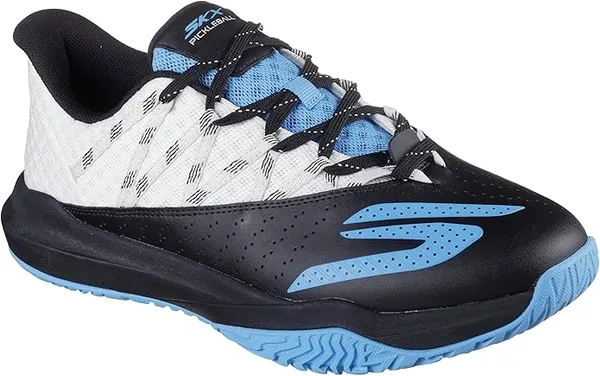
Skechers Men's Viper Court Rally Pickleball Shoe
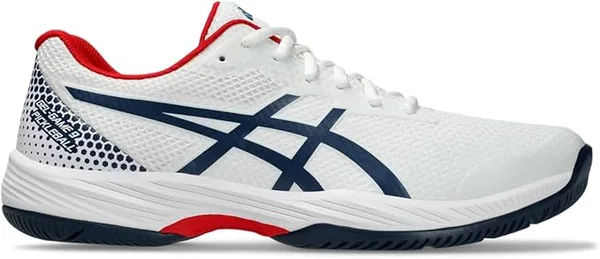
ASICS Men's Gel-Game 9 Pickleball Shoes
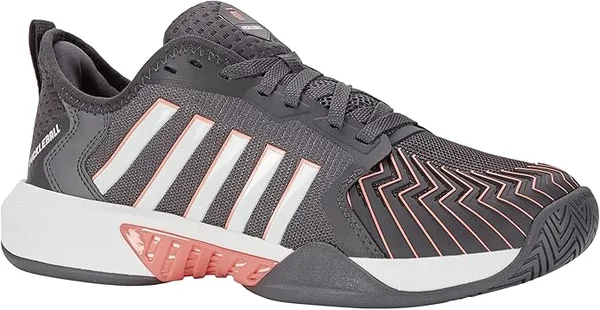
K-Swiss Women's Supreme Pickleball Shoe
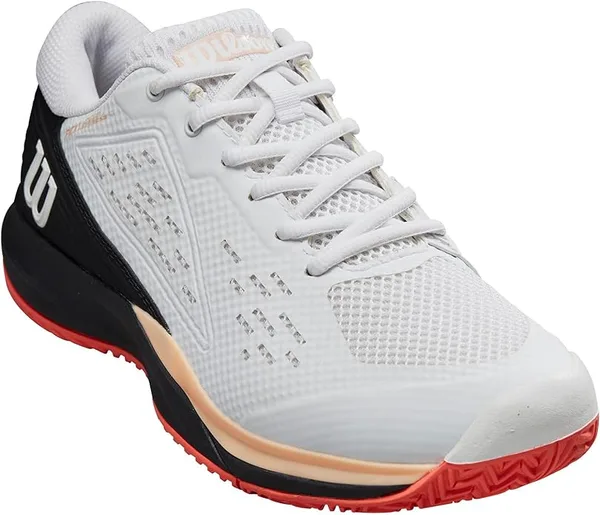
Wilson Women's Rush Pro Ace Pickler
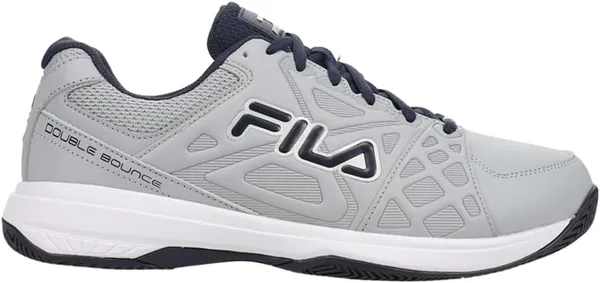
Fila Men's Double Bounce 3 Pickleball Shoe
Signs your shoes may be ready to retire
Don’t rely only on how long you’ve owned a pair. How often you play, where you play, and how you move all affect wear. Instead, take a regular look at the shoes:
- The tread is smooth or noticeably worn in the areas where you push off, stop, or pivot.
- The outsole is separating, cracked, or damaged.
- The shoe feels less steady than it used to. If your foot shifts inside or the shoe feels unstable during a controlled shuffle, pay attention.
- The upper or heel no longer holds its shape.
- The fit has changed. New rubbing, slipping, or toe pressure can be a reason to reassess the pair.
A useful habit is to glance at the soles when you put your shoes on and again when you take them off. If you notice a new change in grip, stability, or comfort, don’t wait for a hole in the sole before considering a replacement.
Your quick pre-game shoe check
Before heading onto the court, make sure your shoes are fastened securely, the soles are clean, and the pair feels comfortable as you walk. Once on court, start with easy, controlled movements and notice how the shoes feel when you shuffle and stop. They should feel secure, not slippery, pinchy, or unstable.
If you experience persistent pain, numbness, repeated slipping, or concerns related to your feet or balance, get guidance from a qualified health professional. This guide is for general equipment education, not medical advice.
Pickleball is more fun when your attention is on the ball, your partner, and the next point, not on shoes that don’t fit. Take a little time to check fit, support, traction, and wear. Your feet will appreciate the extra thought, and you can get back to the important business of dinking.