October 14, 2026
Before You Buy Another Pickleball Paddle: A 55+ Player’s Checklist
Before You Buy Another Pickleball Paddle: A 55+ Player’s Checklist

A new paddle can be tempting, especially when a friend’s latest purchase seems to make every shot land perfectly. But the best paddle for you isn’t necessarily the newest, priciest, or most powerful. It’s the one that feels comfortable in your hand and helps you play the way you want to play.
Before you buy, try a few options and see how they feel during actual play. Use this checklist to compare weight, grip, shape, control, and comfort without getting lost in the marketing lingo.
Start with your game, not the sales pitch
Think about what you’d like your next paddle to do. Are you hoping for easier control at the kitchen line? A little more reach? A paddle that feels less tiring during a long open-play session? Or are you simply replacing one that’s worn out?
Write down your top two priorities. That gives you a helpful filter when every paddle claims to offer “more power” and “maximum spin.”
Also consider where and how you play. A casual doubles player who values soft shots may have different priorities from someone who plays singles and wants extra reach. Neither approach is better; the goal is to match the equipment to your own game.
1. Weight and balance: How does it feel after several minutes?
The number on a paddle’s spec sheet is useful, but it doesn’t tell the whole story. Two paddles with similar listed weights can feel different when you swing them. Balance, handle length, and how the weight is distributed all play a part.
When you test a paddle:
- Hold it in your ready position for a few minutes.
- Make a series of forehand and backhand swings.
- Try a few quick exchanges at the kitchen line.
- Notice whether the paddle head feels easy to move and stop.
- Ask yourself if you’re gripping more tightly as you play.
A lighter paddle may feel easier to move, while a heavier one may feel steadier to some players. There’s no universal “right” weight, and lighter isn’t automatically more comfortable for everyone. Pay attention to how the paddle feels in motion, not just what it weighs on a product page.

2. Grip size: Can you hold it without squeezing?
Your grip should feel secure but relaxed. If it feels too small, you may find yourself clenching to keep the paddle steady. If it feels too large, your fingers may not wrap comfortably around it.
If you’re shopping in person, hold the paddle as you would during a game. Check that your fingers fit naturally and your hand doesn’t feel crowded. A common starting point for estimating grip size is measuring from the middle crease of your palm to the tip of your ring finger, then comparing that measurement with the manufacturer’s sizing guide. But that’s only a starting point: comfort during play matters more than a measurement alone.
Ask whether you can add an overgrip or replace the grip if you want a slightly different feel. Keep in mind that adding material may change the handle’s size and the paddle’s balance. Try the adjusted grip before deciding it’s a match.
3. Shape and reach: What do you want the paddle to help you do?
A wider, more traditional paddle shape may offer a reassuring amount of hitting area. An elongated paddle can provide extra reach, but its shape and feel may be different from what you’re used to. Hybrid shapes sit between those general profiles.
Don’t choose by shape alone. Borrow a paddle if you can and try the shots you use most: blocks, dinks, serves, returns, and volleys. Notice how easy it is to make contact when the ball isn’t perfectly centered.

4. Face, core, and thickness: Ask what the specs mean for your feel
Paddle descriptions can sound like a science project. You may see terms such as polymer honeycomb, carbon fiber, fiberglass, and core thickness. These details can influence the paddle’s feel, but no single material or thickness guarantees that you’ll play better.
Ask the shop or manufacturer:
- What materials are used in the face and core?
- How does this model feel compared with the one I use now?
- Can I try it before buying?
- Is the listed weight for the exact paddle, or a range?
Then compare in person if possible. Notice the sound, feel, and response on both soft shots and firmer drives. Choose based on your own experience, not a promise that one material is automatically best for every player.
5. Comfort during play: Don’t judge it by one swing
A few practice swings can be useful, but they’re not the same as a game. If you have access to a demo program or a friend who’ll lend you a paddle, try it for a full session. You’ll get a better sense of how it feels during a mix of shots and after repeated swings.
Pay attention to whether your grip stays relaxed and whether the paddle feels manageable during quick exchanges. If it feels awkward, difficult to control, or uncomfortable, don’t talk yourself into it because the color is perfect. And if playing causes pain or discomfort that persists, don’t assume a paddle change is the answer: consider checking in with a qualified health professional.
6. Rules and approval: Check before you buy
If you play in sanctioned competition, or simply want to know your paddle is eligible, look up the exact make and model on USA Pickleball’s Approved Paddle List. Check the model name carefully; similar names or different versions can have different listings.
There’s also a current equipment update worth knowing about: USA Pickleball says that paddles submitted for certification beginning October 1, 2026, must meet a measured spin rate of 2,100 RPM or less. Previously certified paddles remain governed by the standards in place when they were certified. You can read the details in USA Pickleball’s spin-rate update.
Your try-before-you-buy checklist
Bring this list to a shop, demo day, or paddle swap:
- I know my two biggest priorities for a new paddle.
- I’ve held it in my normal ready position, not just admired it on a shelf.
- I’ve tried forehands, backhands, volleys, dinks, serves, and returns.
- The weight and balance feel manageable during repeated swings.
- The grip feels secure without making me squeeze.
- The shape feels comfortable on the shots I use most.
- I’ve compared it with my current paddle or another option.
- I’ve checked the store’s return or demo policy.
- I’ve confirmed the exact model on the approved list if I need an approved paddle.

Ready-to-shop paddles from our Players Shop
Once you know what you’re looking for, here are paddle options to consider. Each link goes to our Amazon Players Shop, and as an Amazon Associate we earn from qualifying purchases.

Ben Johns JOOLA Perseus Pro IV Pickleball Paddle — the touring pro’s signature shape, popular with players who want a blend of power and control.
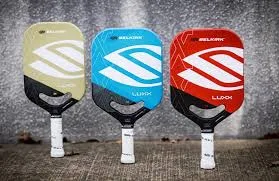
Selkirk Sport LUXX Control Pickleball Paddle — a control-first option for players who love soft-game battles at the kitchen line.
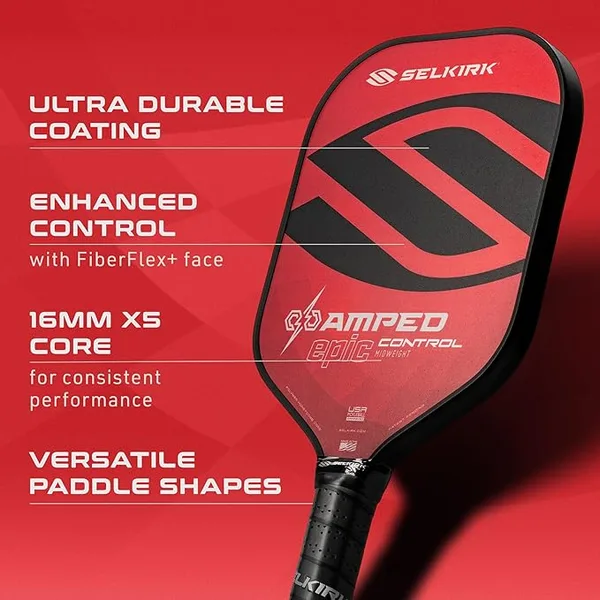
Selkirk Amped Collection Pickleball Paddle — a well-rounded choice if you want one paddle that can do a bit of everything.
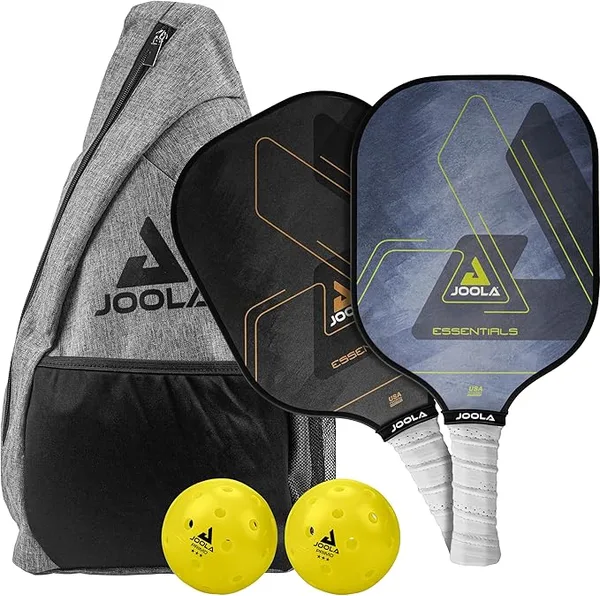
JOOLA Essentials Pickleball Paddles Set — a straightforward set that covers the basics, handy for newer players or a spare paddle for guests.
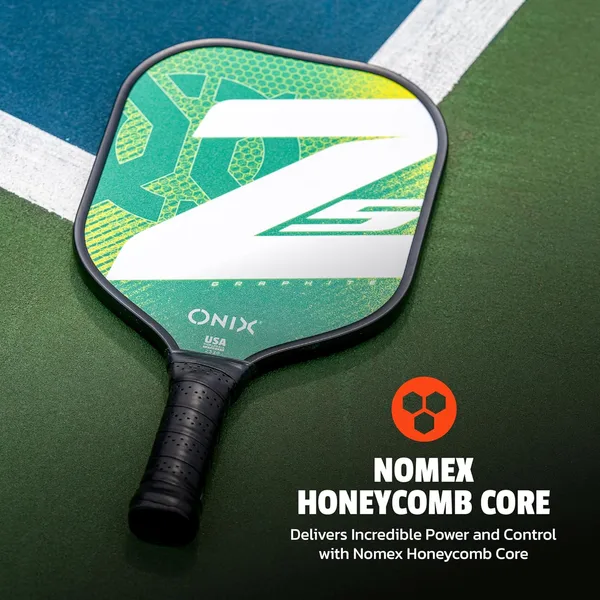
Onix Graphite MOD Z5 Carbon Fiber Pickleball Paddle — a longtime favorite known for a forgiving, consistent feel.
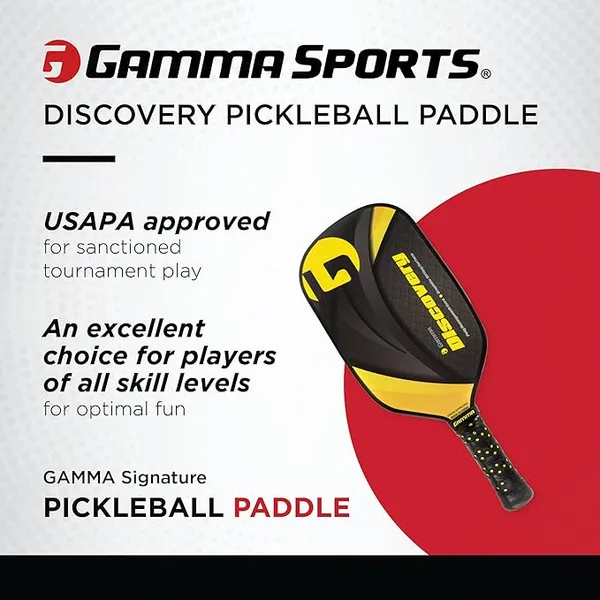
GAMMA Venture Series Pickleball Paddles — a budget-friendly way to try a different weight or grip without a big commitment.
Shopping for a partner too?
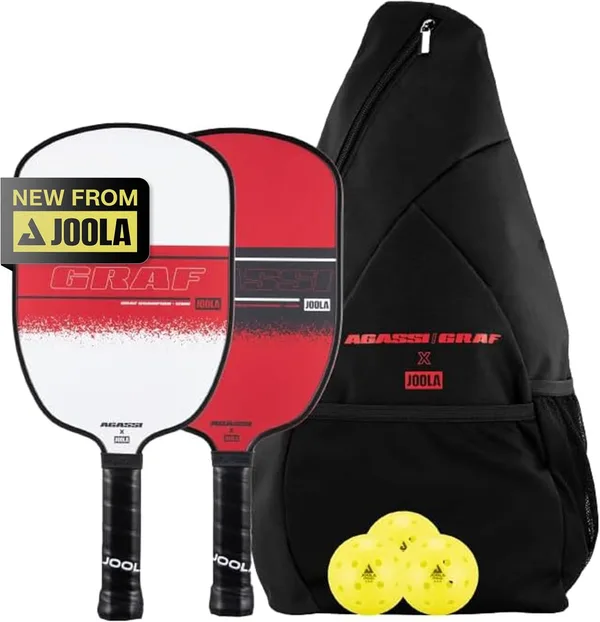
JOOLA Agassi/GRAF Champion Set — two paddles in one purchase.
And a fresh overgrip is an inexpensive way to refresh the feel of the paddle you already own.
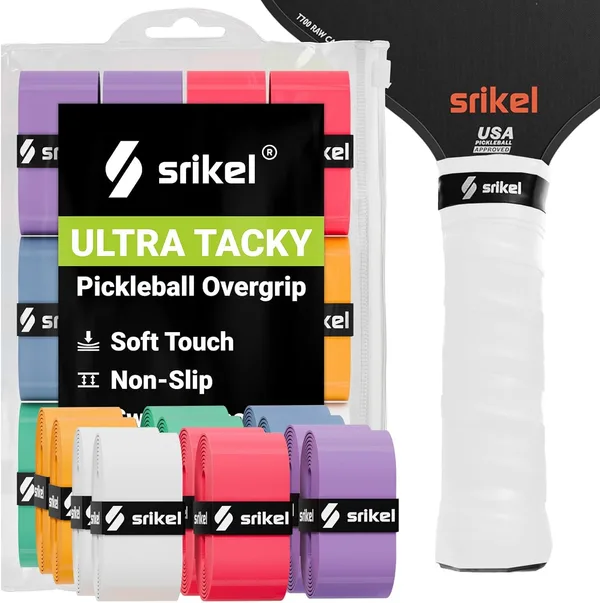
Pickleball Paddle Overgrip – Ultra Tacky and Non-Slip Grip Tape
A good paddle choice is a personal one
You don’t need to buy the paddle with the longest list of features. You need one that feels right when you’re moving, making contact, and playing the shots you enjoy.
Take your time, ask questions, and test before you commit. The best outcome isn’t winning the paddle conversation at the courts. It’s feeling confident about the one in your hand. For more pickleball gear and community fun, visit iDINKiCAN Pickleball.